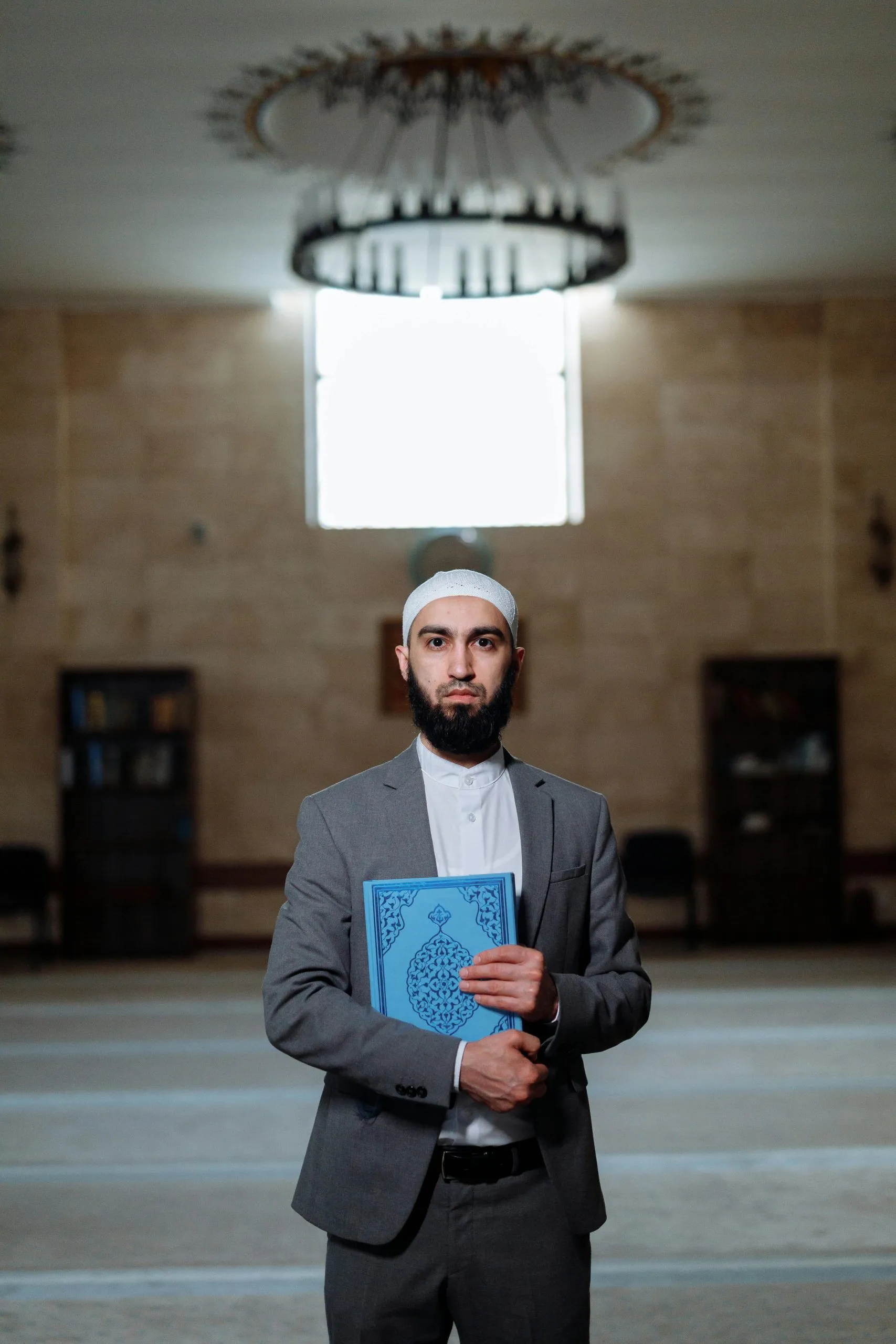
Weaving Knowledge and Piety: The Role of Muslim Students in Building the Islamic Civilization
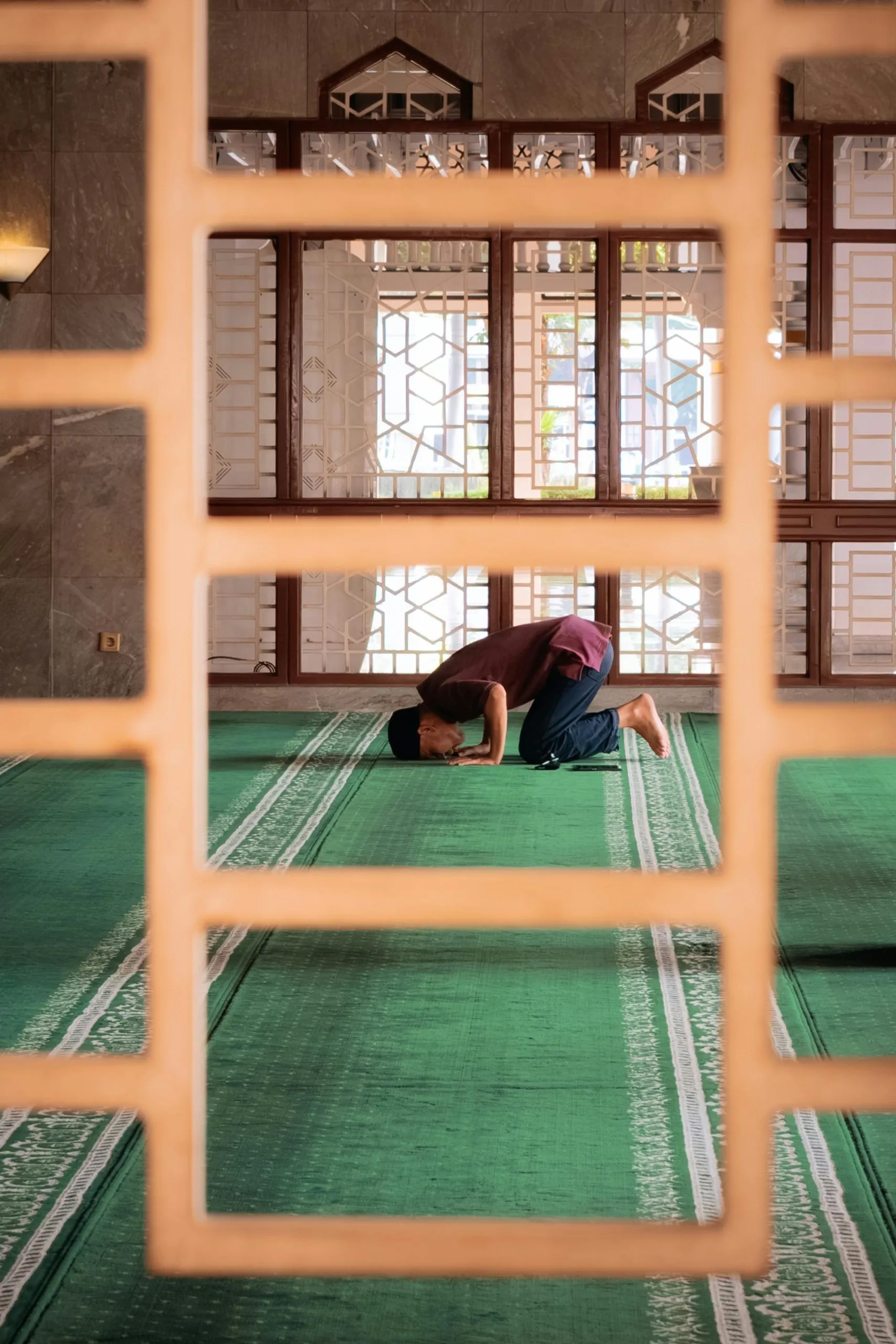
Being a student at an Islamic university is a blessing and a responsibility. We are entrusted with the responsibility not only to be outstanding academic individuals, but also to be a generation capable of combining intellectual intelligence (IQ), emotional intelligence (EQ), and spiritual intelligence (SQ). In an academic environment filled with scientific dynamics, we are required to remain firmly committed to our identity as knowledgeable and morally upright Muslims.
1. Islam and the Spirit of Knowledge
Islam highly values knowledge. The first verse revealed to the Prophet Muhammad ﷺ was the command to read (Iqra’), which shows how important it is to pursue knowledge in Islam. History has proven how Muslim scholars such as Ibn Sina, Al-Khwarizmi, and Al-Farabi have made great contributions to the world's civilization.
As Muslim students, we must continue this legacy of knowledge by:
- Exploring knowledge deeply and critically, but always adhering to Islamic values.
- Avoiding blind imitation in thinking, but also not getting trapped in secular thought that disregards religion.
2. Becoming a Productive and Creative Muslim
Allah SWT says in Surah Al-Baqarah verse 148:
"And every nation has its own kiblat, to which it turns. So strive with might and main..."
The university is the perfect place to hone creativity and productivity. Muslim students should actively participate in:
- Self-development through organizations, research, or social projects.
- Halal innovation such as Islamic startups, Islamic technology, or beneficial writings.
- Social activities such as community service, blood donation, or scholarship programs for the needy.
3. Facing Global Challenges
In the era of globalization, Muslim students are faced with various challenges, such as:
- The onslaught of foreign cultures that are not in accordance with Islamic values.
- An identity crisis where many Muslim youth are caught between modern lifestyles and piety.
- Extremist ideologies that threaten the unity of Muslims.
The solutions are to:
- Strengthen religious understanding through regular study and scientific discussion.
- Build a filter for information and cultures that are not in accordance with the Sharia.
- Become agents of Islamic moderation that spread peace and tolerance.
4. The University as a Miniature Islamic Society
As part of the academic community, we have a role in creating an Islamic campus environment by:
- Maintaining Islamic brotherhood among students, lecturers, and staff.
- Developing a culture of honest and anti-plagiarism academic behavior.
- Encouraging Islamic activities such as mentoring, Qur'an memorization, or campus preaching.
Related News
Peran Mahasiswa Muslim sebagai Agen Perubahan Sosial
10 Mar 2025
Digitalisasi dan Tantangan Etika Mahasiswa Muslim di Era Modern
09 Mar 2025
Konsep Keadilan dalam Islam dan Relevansinya bagi Mahasiswa Masa Kini
08 Mar 2025